Sugar
Everything You Need to Know About Sugar: Types, Flavours, Uses, and Storage Tips


What is Sugar?
Sugar is a type of carbohydrate used primarily as a sweetener, but it also plays critical roles in baking, cooking, and preserving. It adds moisture, structure, tenderness, caramelization, fermentation fuel, and sometimes even colour or crunch. Understanding which sugar to use, and when it matters, is essential for confident, flexible cooking.
What's the Difference Between Sugars?
While all sugars are sweet, not all behave the same. Some dissolve easily, others bring texture or depth of flavour. Some are highly refined, others less so. They differ in crystal size, molasses content, moisture, and processing, and that affects how they work in recipes.
Main Types of Sugar
TYPE
FLAVOUR
BEST FOR
White Sugar
Neutral, clean
Baking, drinks, cooking
Caster Sugar
Neutral, dissolves easily
Meringues, cakes, cocktails
Icing Sugar
Neutral, melts on contact with moisture
Icing, frosting, dusting
Raw Sugar
Toffee, mild molasses
Toppings, coffee, some baking
Light Brown Sugar
Mild caramel, molasses
Cookies, sauces, baking
Dark Brown Sugar
Rich caramel, more molasses
Gingerbread, barbecue sauces, spice cakes
Demerara Sugar
Mild caramel
Sprinkling on muffins, crumbles, coffee
Muscovado Sugar
Deep, complex molasses
Rich cakes, fruitcakes, sticky sauces
Jam Sugar
Sweet, neutral
Making jam, jelly, marmalade
Coconut Sugar
Earthy, caramel
Alternative sweetener
Liquid Sugars (e.g. Honey, Maple, Glucose)
Distinctive
Baking, glazing, dressings

What are the Main Types of Sugar?
White Sugar
This is the most commonly used sugar in home kitchens. It's highly refined, with all molasses removed, and has a neutral sweetness. It is also known as table sugar or granulated sugar.
Best for: General baking, sweetening drinks, making syrups.
Tip: Use it when precision in sweetness and texture is key. Dissolves well in liquids.
Caster Sugar
A finer version of white sugar. It dissolves more quickly than regular granulated sugar, which makes it ideal for recipes that need quick or even dissolving. Often used in cakes, meringues, or cocktails where a smooth texture is crucial.
Best for: Meringues, delicate cakes, whipped cream.
Tip: Great in cocktails or cold drinks where standard sugar would remain gritty.
Icing Sugar
White sugar ground into a powder, usually with a little anti-caking agent like cornstarch. Used in icings and frostings, or for dusting.
Best for: Frostings, glazes, dusting desserts.
Tip: It melts on contact with moisture, so avoid dusting desserts until just before serving or it may disappear.
Raw Sugar
Raw sugar is minimally processed and has a light amber colour with large crystals. It retains some molasses, giving it a subtle caramel flavour.
Best for: Topping muffins or baked goods for a bit of crunch.
Tip: Not ideal for delicate batters, it doesn’t dissolve easily.
Light Brown Sugar
Light brown sugar is refined white sugar with a small amount of molasses added back in. It’s soft and slightly sticky.
Best for: Cookies, quick breads, banana bread.
Tip: Adds moisture and a gentle caramel flavour to baked goods.
Dark Brown Sugar
Dark brown sugar has more molasses than the light version, making the flavour more robust. It’s slightly wetter and stickier.
Best for: Gingerbread, barbecue sauces, baked beans.
Tip: You can substitute light for dark brown sugar and vice versa, just expect a subtle shift in flavour.
Demerara Sugar
A coarse, golden sugar with large crystals and a light molasses taste.
Best for: Topping baked goods like muffins and crumbles.
Tip: It doesn’t dissolve well, so it’s best used as a crunchy topping or in slow-cooked sauces.
Muscovado Sugar
An unrefined cane sugar that is dark, sticky, and packed with molasses flavour. Available in light and dark varieties.
Best for: Rich cakes, toffee sauces, sticky glazes.
Tip: Lumps easily, break up with your fingers or sift before using.
Jam Sugar
Also called gelling sugar, this is white sugar with added pectin (a natural setting agent) and sometimes citric acid.
Best for: Homemade jams and jellies.
Tip: Don’t use it in place of regular sugar in baking, the added pectin will affect texture.
Coconut Sugar
Made from the sap of coconut palm flowers, it has a golden-brown colour and a butterscotch-like flavour.
Best for: Healthier baking recipes, Asian sauces, caramel-style dishes.
Tip: It doesn’t dissolve as easily and can darken baked goods.
Liquid Sugars
Such as honey, maple syrup and agave. These are technically not “sugar” in a refined sense, but they’re common sweeteners in recipes.
Best for: Glazes, marinades, raw treats, cocktails.
Tip: When substituting for granulated sugar, reduce the overall liquid in your recipe slightly.
Does the Type of Sugar Really Matter?
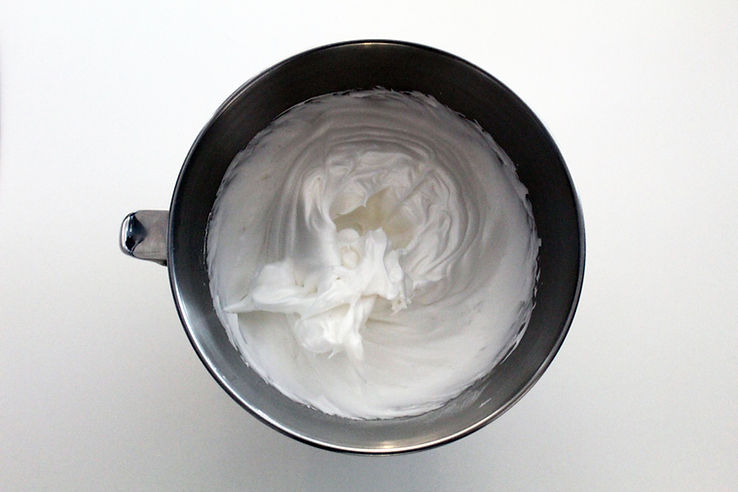
Yes, but only sometimes. In many everyday recipes, you can substitute sugars with minimal effect. But in baking, especially where sugar affects structure (like meringues, caramel, or sponge cakes), using the correct type is more important. Brown sugar brings moisture and chewiness. Icing sugar dissolves instantly. Caster sugar whips better. If precision matters, stick with what’s called for.
Can I Substitute a Different Sugar in My Recipe?
It depends on the role sugar is playing. For sweetness alone, sure, though flavour and texture may shift. For structure (think pavlova, caramel, toffee, fudge), substitutions can compromise results. As a general guide:
Swapping white and caster sugar? Usually fine.
Replacing white with brown sugar? Expect more moisture and molasses flavour.
Using liquid sugars instead of dry? Reduce other liquids to balance.
Can I Reduce the Amount of Sugar?
You can often reduce sugar slightly without ruining a recipe, particularly in cakes and muffins (start with 10–20%). For savoury dishes, marinades, or sauces, sugar can often be halved. But in jams, meringues, or anything relying on sugar for texture or preservation, reducing it too much can ruin the outcome.
How to Store Sugar
Keep sugar in a cool, dry place in an airtight container. White, caster, and raw sugars last indefinitely if kept dry. Brown sugar is prone to clumping and hardening, store it tightly sealed, or with a piece of bread or a terracotta sugar saver to keep it soft. Icing sugar absorbs moisture easily and should also be well-sealed.


Hungry for more?
Join my inner circle and become a City Slicker. Get fresh recipes, exclusive insider stories, and a little extra flavour in your inbox.


